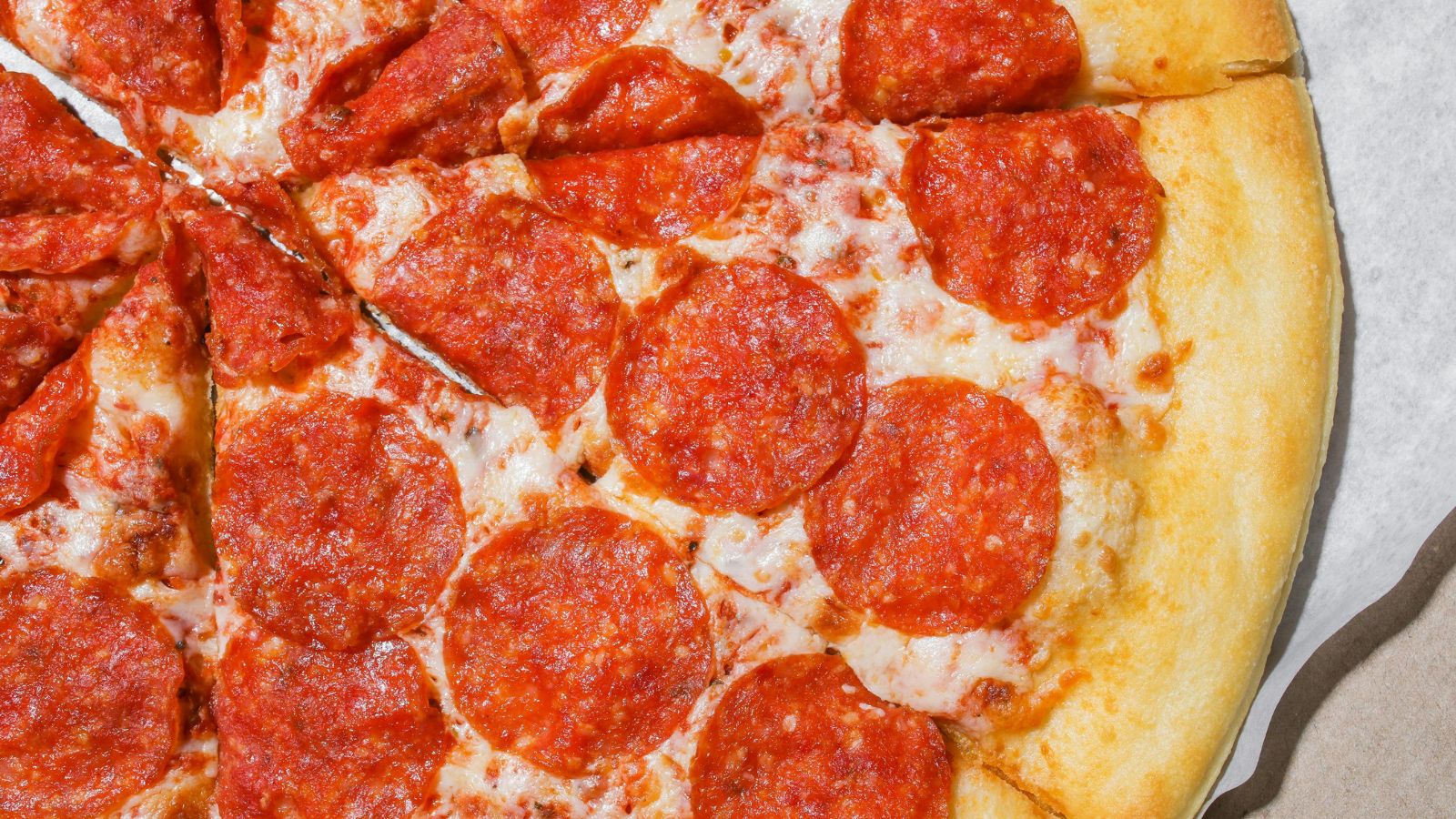
Pepperoni dominates pizza culture, and it appeals to your taste and memory: its salty, umami spice and crisped edges make it the most popular topping, fueling visual cravings and nostalgia.
The Chemical Symphony of Flavor
Maillard browning at roughly 150°C, spice blends (paprika, garlic, black pepper), and cured-meat chemistry combine to make pepperoni a multilayered flavor signal you can almost taste from the first whiff. Curing with nitrates/nitrites and salt releases free glutamates that amplify umami, while rendered oils carry aroma across your palate. You will notice that this mix delivers both immediate sensory reward and the longer-term cueing that reinforces repeat orders.
The Role of Salty and Umami in Cravings
Salt enhances flavor intensity and suppresses bitterness, and cured meats release free glutamate during aging and cooking explaining why pepperoni tastes so savory. Studies link umami, driven by glutamate, to increased hunger satisfaction but also cravings, so the salt–umami synergy pushes you to take another bite. In deli terms: a few grams of added salt can double perceived savory flavor in a bite.
How Pepperoni Engages Our Pleasure Centers
Visuals of curled, crisped pepperoni and the sizzle aroma trigger anticipatory dopamine spikes in your brain’s reward circuitry. Basically a Pavlovian like primer for eating. Fat melts and salt hits combine to raise palatability quickly. These sensory hits translate to stronger immediate desire for food, even when you’re not hungry.
Calorie-dense, salty foods, which helps explain persistent cravings for pepperoni at parties or late-night TV. We have “trained” associations, like birthday pizza, game-day rituals, office pizza parties that pair these neural rewards with context, accelerating habit formation. Normal portion cues are ignored because repeated dopamine surges reinforce the loop, making occasional indulgence turn into predictable choice behavior. Think of the parents feeding the slumber party, pizza is almost the universal choice. We start training at a young age!
Iconic Appearances in Film and Television
Think about those moments that cement pepperoni as fun pizza culture: Teenage Mutant Ninja Turtles worshipping slices, Joey from F.R.I.E.N.D.S. hoarding pies, and repeated pizza plotlines on The Office. Super Bowl ads and sitcom punchlines use pepperoni to convey comfort, youth, or indulgence, basically a visual shorthand audiences immediately recognize and crave.
Social Media Influence on Pizza Preferences
Instagram and TikTok amplify pepperoni through viral formats, ASMR bites, and “pizza hack” reels, where a single clip can rack up millions of views. A National Library of Medicine study shows just viewing appetizing food images activates reward centers, so these high-engagement posts create visual craving loops that nudge your guests ordering choices.
Putting This to Use
A good looking photo of a pepperoni pizza is simply going to sell more pepperoni pizzas. Most folks look at the photo and smell and taste the pepperoni long before it starts cooking or is presented in that greasy cardboard box. But what if you don’t sell pizza?
In our Philly Cheesesteak restaurant we also sold subs with… pepperoni. Out of boredom one day we were cooking a cheesesteak to split and mixed in some pepperoni to “spice” things up. We told a couple of our regulars and before long people were asking about the Pepperoni-Philly without the product being mentioned anywhere on the menu. Once we took some photos and formally added it to the menu it became the second most popular version of a cheesesteak.
Look at your menu where could you add a crave-able product like pepperoni to reinvigorate your menu. It does not have to be a full time addition. Could just be a seasonal limited time only. Pepperoni is not just for pizza anymore!